
The BCT’s Demand
The NSW Biodiversity Conservation Trust (BCT) has published its credit obligations list for Credit Tender 26-01. The list sets out the credits the BCT is seeking to meet offset obligations that developers have paid it to secure. Bids close at 5pm on Friday 9 October.
The list totals 21,998 credits. Species credits make up 15,389 of these (70%) across 141 species. Ecosystem credits make up 6,609 (30%) across 101 offset trading groups.
Demand on both sides is concentrated in a small number of credit types. Most credit types on the list are small obligations that together account for very few credits.
The headline measures are set out below.
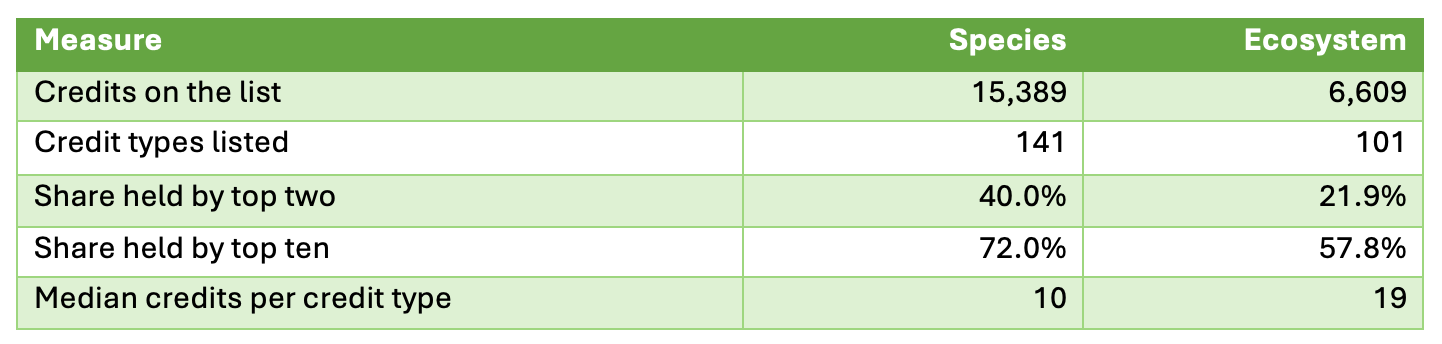
Table 1: BCT credit obligation distribution measures (Species are counted per species listed. Ecosystem figures combine the hollow-bearing tree present and absent lines for each offset trading group.)
Species demand sits in a handful of species
Southern Myotis tops the list at 3,390 credits, 22% of all species credits sought. Illawarra Zieria is second at 2,762. The next species, Hunter Valley Delma, sits at 906. The top ten species account for 11,079 credits, or 72% of the species total.
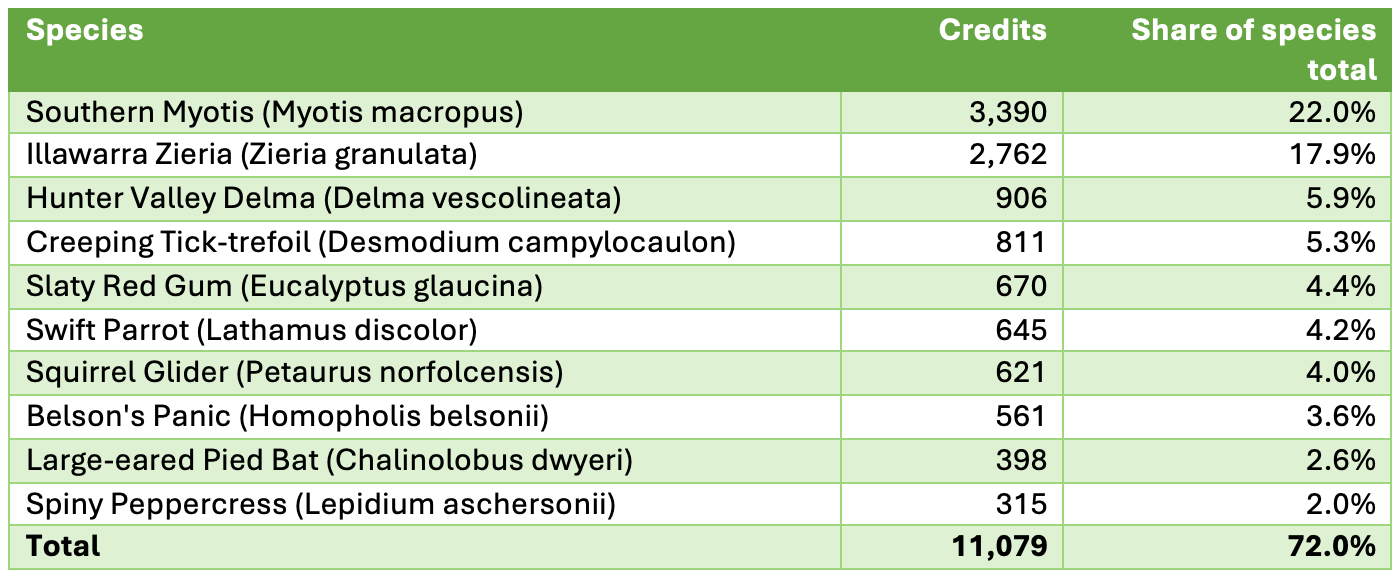
Table 2: Top ten species by credit volume
The largest ecosystem obligations
Ecosystem demand is less concentrated than species demand. The top five offset trading groups account for 40.5% of ecosystem credits, against 55.5% for the top five species. Four of the five largest are inland woodland and forest groups.
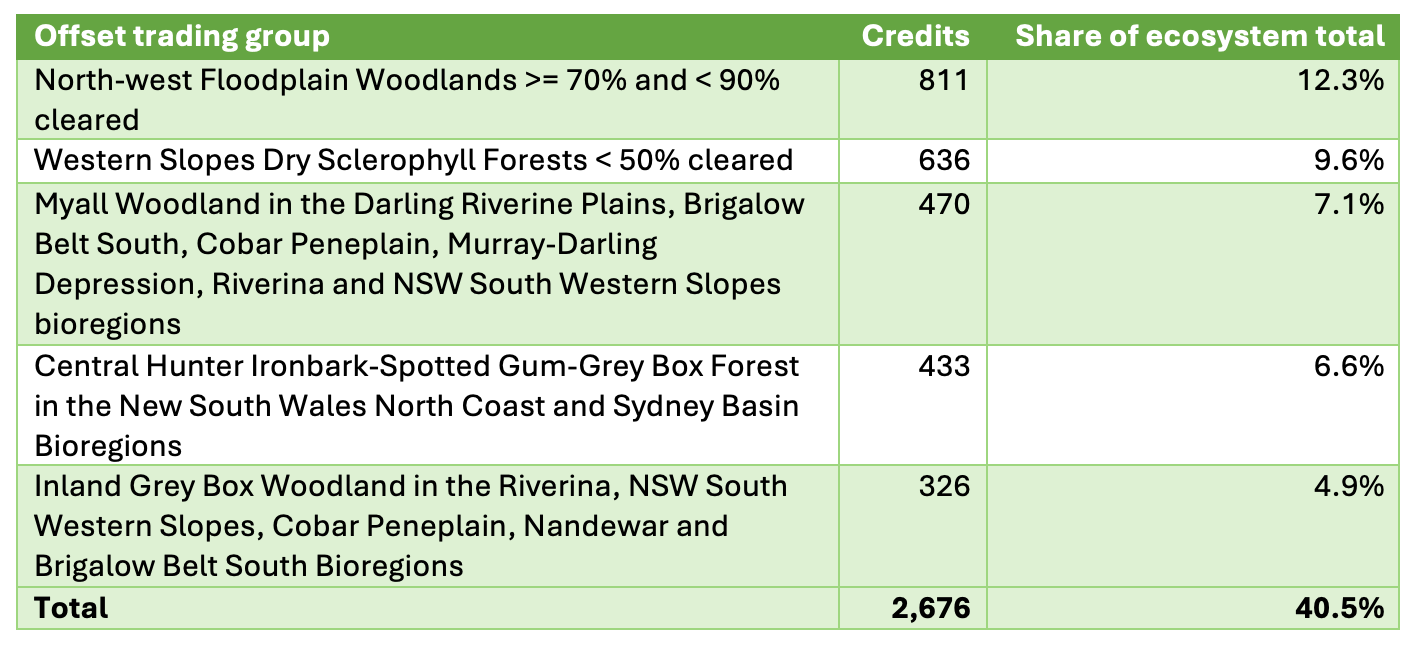
Table 3: Top five offset trading groups by credit volume
Half the species list is small obligations
Seventy-five of the 141 species on the list need 10 credits or fewer. Together they account for 302 credits, 2% of the species total. Seventeen species need a single credit.
The ecosystem side follows the same pattern at the bottom of the range. Thirty-eight of the 101 offset trading groups need 10 credits or fewer, and together they hold 160 credits.
Credit transfer and retirement applications cost $1,905 each, according to IPART’s 2024-25 draft annual review of the NSW biodiversity credits market. IPART found that for smaller obligations the fee can exceed the value of the transaction.
Few landholders are likely to establish a stewardship site to supply a credit type needing one to ten credits. These obligations are more likely to be met by sites that generate them alongside larger credit types.
What it means for credit holders and landholders
The list shows sellers where the BCT’s demand sits. Holders of credits in the high-volume credit types have a single large buyer seeking them in this tender.
The latest tender is limited to landholders with issued or pending credits. Pending credits require a Biodiversity Stewardship Agreement signed by all relevant parties. Proposed credits on sites without a signed BSA are not eligible, and a business case or Biodiversity Stewardship Site Assessment Report no longer supports a bid. Bids must include a credit ownership report for existing BAM credits, a statement of assessment of reasonable equivalence for BBAM credits, or the signed BSA for pending credits.
Speargrass tracks supply and pricing across every NSW credit market and can assess specific credit types to assist with bidding in these auctions.
