
The most important conservation outcomes are unlikely to be funded by offset demand
Some biodiversity in New South Wales is listed under a serious and irreversible impact, or SAII. This categorisation applies to the threatened species and ecological communities most at risk of extinction.
Development that would create demand for these credits is very unlikely to be approved, and in some cases cannot be approved at all. These are effectively ‘stranded credits’ where philanthropic investment represents the only feasible prospect of a transfer.
For conservation on private land, a BSA is the most secure, best funded and best oversighted arrangement possible in NSW and a great outcome for ensuring the survival of our most at risk species and ecosystems.
But the presence of these threatened entities cannot underpin BSA viability, where the resources for in-perpetuity conservation need to be sourced from credit sales.
Understanding serious and irreversible impact
Serious and irreversible impact exists to protect the threatened entities most at risk of extinction in NSW.
Under the Biodiversity Offsets Scheme, an accredited assessor identifies any potential serious and irreversible impact in a Biodiversity Development Assessment Report or a Biodiversity Certification Assessment Report, and the decision maker makes the determination.
NSW maintains a list of threatened entities it has identified as at risk of a serious and irreversible impact. That list currently holds 468 entities: 56 threatened ecological communities and 412 threatened species, made up of 357 plants and 55 animals.
The list it neither exhaustive nor definitive, and a decision maker may consider an entity that is not on it where the evidence supports the principles below.
The SAII guidance update
A new Guidance on serious and irreversible impacts took effect on 1 May 2026 and replaces the previous guidance.
An impact is now treated as serious and irreversible if it is likely to contribute significantly to the risk of a threatened species or ecological community becoming extinct.
An entity can be listed against one principle or several.
Principle 1: The impact will cause a further decline of a species or ecological community currently observed, estimated, inferred or reasonably suspected to be in a rapid rate of decline.
Principle 2: The impact will further reduce the population size of a species or ecological community currently observed, estimated, inferred or reasonably suspected to have a very small population size.
Principle 3: The impact is made on the habitat of a species or ecological community currently observed, estimated, inferred or reasonably suspected to have a very limited geographic distribution.
Principle 4: The impacted species or ecological community is unlikely to respond to measures to improve its habitat and vegetation integrity, and therefore its members are not replaceable.
Across the 468 listed entities, Principle 3, very limited geographic distribution, is the most common reason.
Most SAII entities are listed because they exist in low or unknown numbers and in very few places.
The entities associated with the BOS
Of the 468 listed entities, 104 have associated BOS credits. This includes 26 of the 56 SAII ecological communities, 57 of the listed plants, and 21 of the listed animals.
The entities with the most triggers
The principles are reasons for listing. They are not a severity score and they are not ranked against one another, so the list itself does not tell you which entity is most threatened.
The one defensible proxy available in the source is how many principles an entity triggers. An entity flagged on all four faces every kind of extinction risk the framework recognises.
We use that count here as a proxy for exposure and label it as such, not as an official ranking.
Two species markets trigger all four principles. The Yellow-spotted tree frog (Litoria castanea) and Southern corroboree frog (Pseudophryne corroboree).
No ecosystem triggers all four. Figure 1 below shows those with three principles.
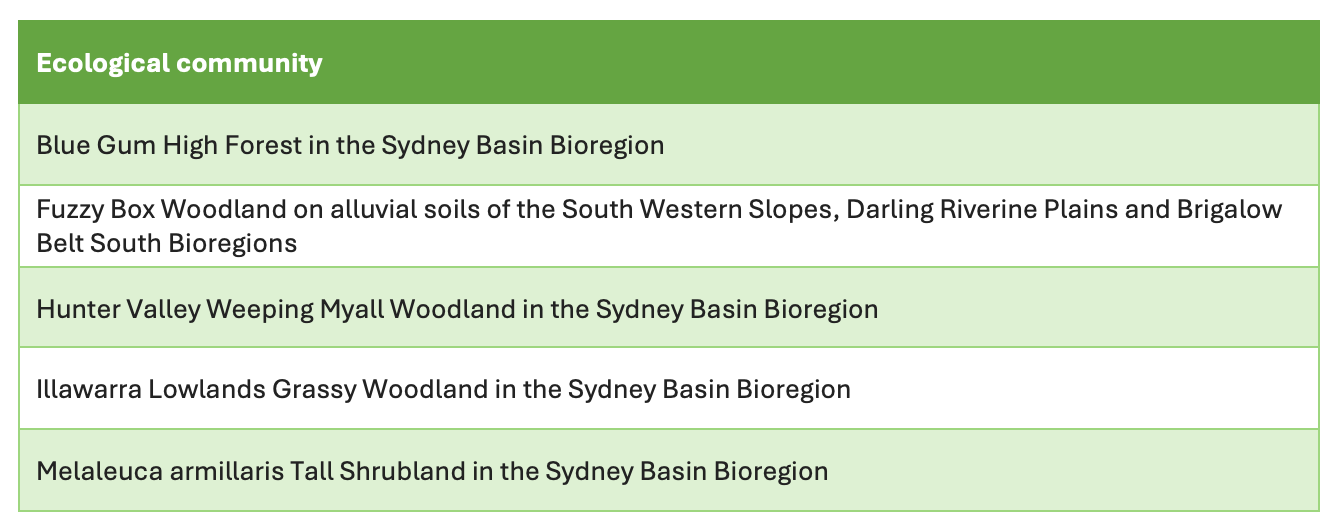
Figure 1: Ecosystem markets triggering three principles
Potential of demand change due to SAII
For local development, meaning clearing proposals and Part 4 development that is not state significant, the decision maker must not grant approval if they determine the proposal is likely to have a serious and irreversible impact, preventing any credit requirement for the species.
For state significant projects, meaning state significant development, state significant infrastructure, opted-in Part 5 activities, and biodiversity certification, the decision maker can still approve, but must consider the impact and determine whether additional and appropriate measures will minimise it. That demand is dampened and made more conditional rather than removed.
Why it matters
Serious and Irreversible Impact assessment is a fundamental model to assess impact and protect threatened entities within NSW.
This important model protects entities at most risk and should not be neglected.
Market participants need to understand that some credits associated with highly threatened entities may hold a value on paper but demand may never come.
Conserving these species in your conservation area makes some of the most important contributions possible to biodiversity conservation, but if you need to fund your BSA to make it feasible it will be other credits in the site that achieve that outcome.
