
Aggressive pricing: the only way to succeed in BCT tenders
A big pool of offers, a small set of purchases, only sharp prices win
The NSW Biodiversity Conservation Trust runs a credit tender to retire biodiversity credits on behalf of developers who pay into the Biodiversity Conservation Fund.
Landholders and credit owners submit bids to sell, and the Trust runs a reverse auction and offers to buy the bids it assesses as value for money.
Five of these tenders have now reported outcomes: September 2022, May 2023, April 2024, late 2024, and April 2025.
Across the five tenders, 2,676 bids offered 230,302 credits. The Trust offered to purchase only 27,851 of those credits, around 12 percent of the volume bid.
The record shows there is stiff competition for these tenders in most markets and any bidder needs to price their credits sharply to have any chance of success.
What the Trust spends
Most of what is offered to the Trust is never bought. Across the five tenders, credit owners bid more than 1.7 billion dollars of credits into the process (Figure 1). The Trust offered to purchase 114.9 million dollars of that, and 104.6 million dollars proceeded (6%).
Close to 80 percent of all bids are deemed eligible. The Trust only buys the cheapest credits that satisfy each requirement.
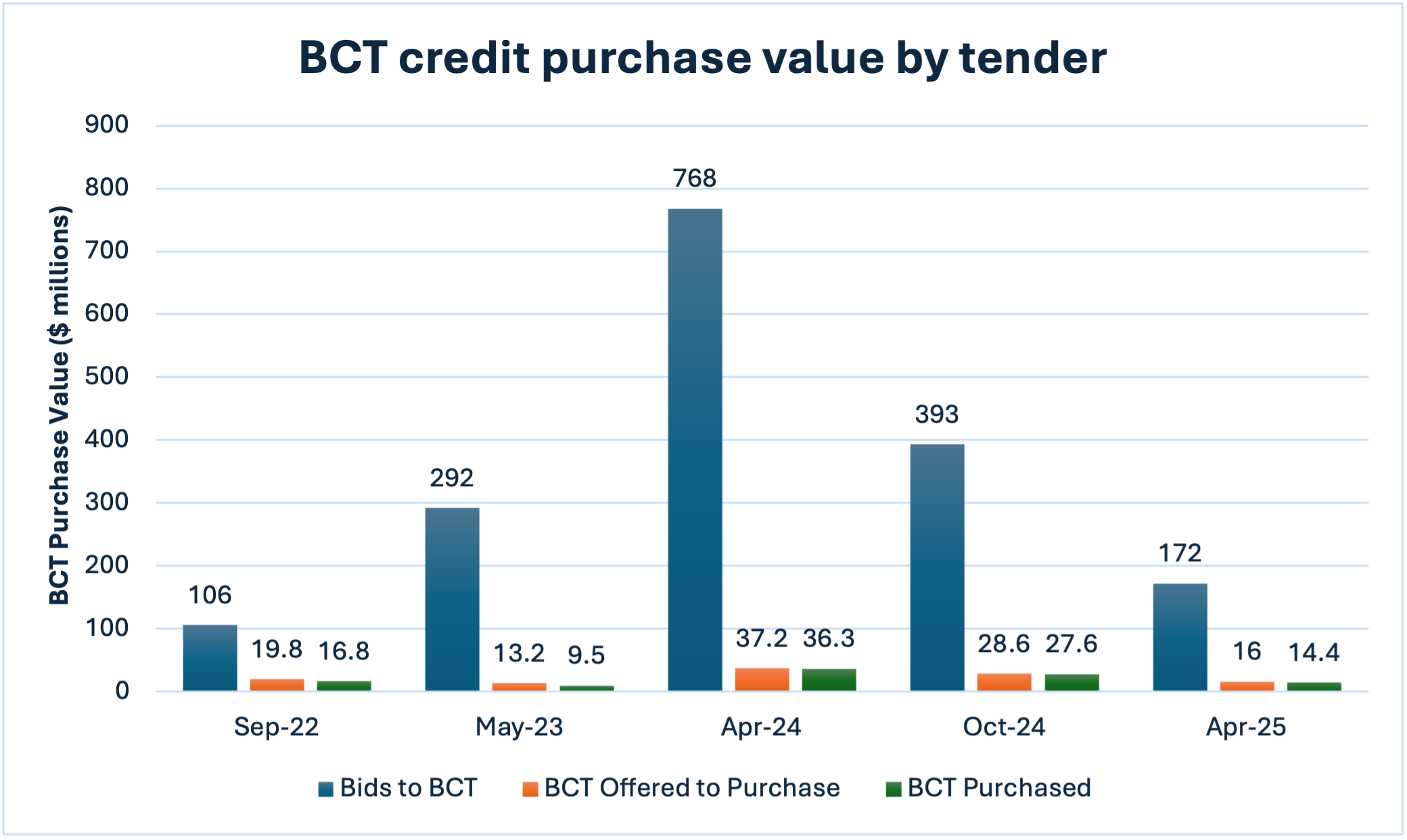
Figure 1: BCT credit purchase value by Tender
Once the Trust makes an offer, the sale almost always happens. More than 70% of the offered value proceeded to purchase in every tender, and 91% proceeded across the five rounds combined.
Across the five tenders the Trust offered to purchase 27,851 credits for 114.9 million dollars, with 104.6 million dollars proceeding (Figure 2).
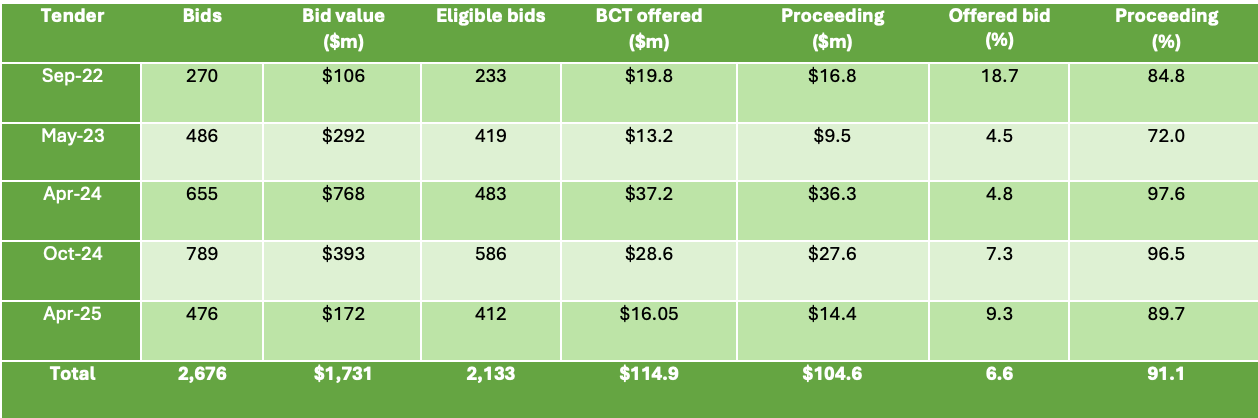
Figure 2: Breakdown of bids for each Tender
What gets bought, round after round
A small group of ecosystem markets is bought in almost every tender. Four Offset Trading Groups were purchased in all five rounds (Figure 3).
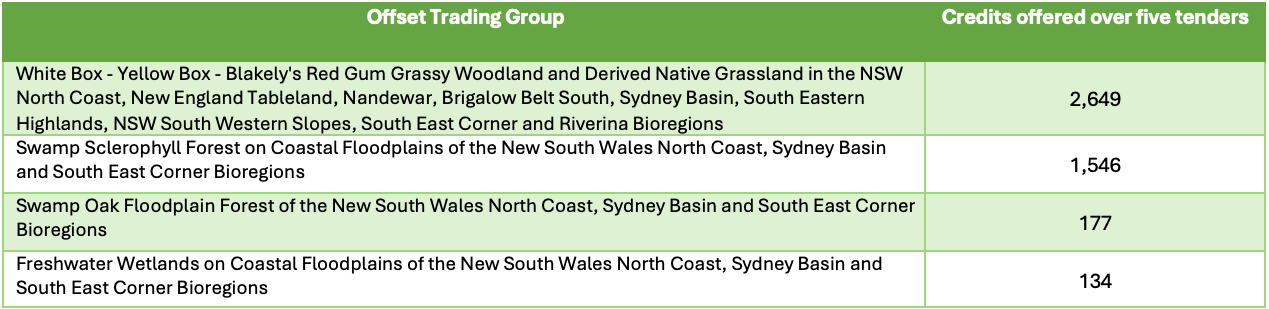
Figure 3: Offset trading groups bought in all Tenders
The same pattern of repeat purchasing shows on the species side, only more concentrated. Southern Myotis (Myotis macropus), at 2,192 credits across the five rounds was the species bought consistently.
Only sixteen ecosystem and seven species credit types were offered a purchase in four or more of the five tenders. This suggests that BCT offset obligations, though drawn from developments across NSW, tend to concentrate in high demand vegetation types with mostly decent levels of supply.
What gets bid heavily and offered rarely
From May 2023 the reports show full bid volume alongside the offered subset, so the gap can be measured directly across the four tenders to April 2025.
Despite White Box Yellow Box being bought every round, of the 25,318 credits bid to the Trust across the four rounds, only around 9% were offered a purchase.
The other 90% came from bids either beaten on price in the reverse auction or surplus to the volume the Trust needed that round.
Other ecosystem markets often present in the tenders are the two Western Slopes Dry Sclerophyll Forests markets drew 13,626 and 11,508 bid credits, with around 7% and 2% offered.
Multiple ecosystem credits have large bid offers and with no purchase offers (Figure 4).

Figure 4: Non-offered trading groups with large bids to the BCT
For species, the Large-eared Pied Bat was the most heavily bid species market at 12,806 credits, with around 1% bought.
Koala drew 8,639 and Squirrel Glider 7,942, each bought only in part.
Implications
The tender records show that there is stiff competition for sales in these reverse auctions. With very high levels of supply offered relative to the Trust demand, successful buyers are those who price their credits very sharply against the wider market.
Tenderers should consider their position in the market when bidding to be successful. Reviewing Trust obligations via BCF quote data, transfer history and previous tender results will help to ensure your bid is priced for success.
If you hold credits in a heavily supplied market and need to achieve a price at or above market to hit your goals then these tenders are unlikely to be the best option for you.
The other insight is how much demand the Trust has taken on in the most active and well supplied markets.
Rather than offering an option where there are limited options for trade, the BCF has tended to pick up a lot of obligations that could have been dealt with directly in the market if it was working more effectively.
This is a significant inefficiency that reforms have been seeking to address.
How Speargrass can help
Speargrass tracks the credit tenders alongside the wider NSW market, including which credit types the Trust buys repeatedly, which draw heavy bids without being purchased, and what purchased credits have cost by subregion. For a read on a specific credit type or a view on how the tender is likely to treat it, contact Speargrass Conservation.
Figures are drawn from the BCT outcomes reports for the September 2022, May 2023, 24-01, 24-02 and 25-01 credit tenders. Purchase figures refer to credits the BCT offered to purchase unless stated otherwise. For a pricing or market assessment on a specific credit, contact Speargrass Conservation
