
Finding the best supply opportunities in species credit markets
The NSW Biodiversity Offsets Scheme has over 300 separates species markets, each defined by a single species, each with its own market characteristics.
This piece looks at the spread of on market supply in the different species.
All-market supply and on-market supply are not the same number
All-market supply is every credit recorded in the supply register for a species, the full known total regardless of their availability for transfer.
On-market supply is the supply that is realistically available to a buyer.
Across the species markets, all-market supply totals 1,095,686 credits. Estimated on-market supply totals 729,144, about 66.5% of the all-market figure (Figure 1).
Our estimate is that at least a third of the credits sitting in the register are held against existing obligations and unlikely to be available for sale.
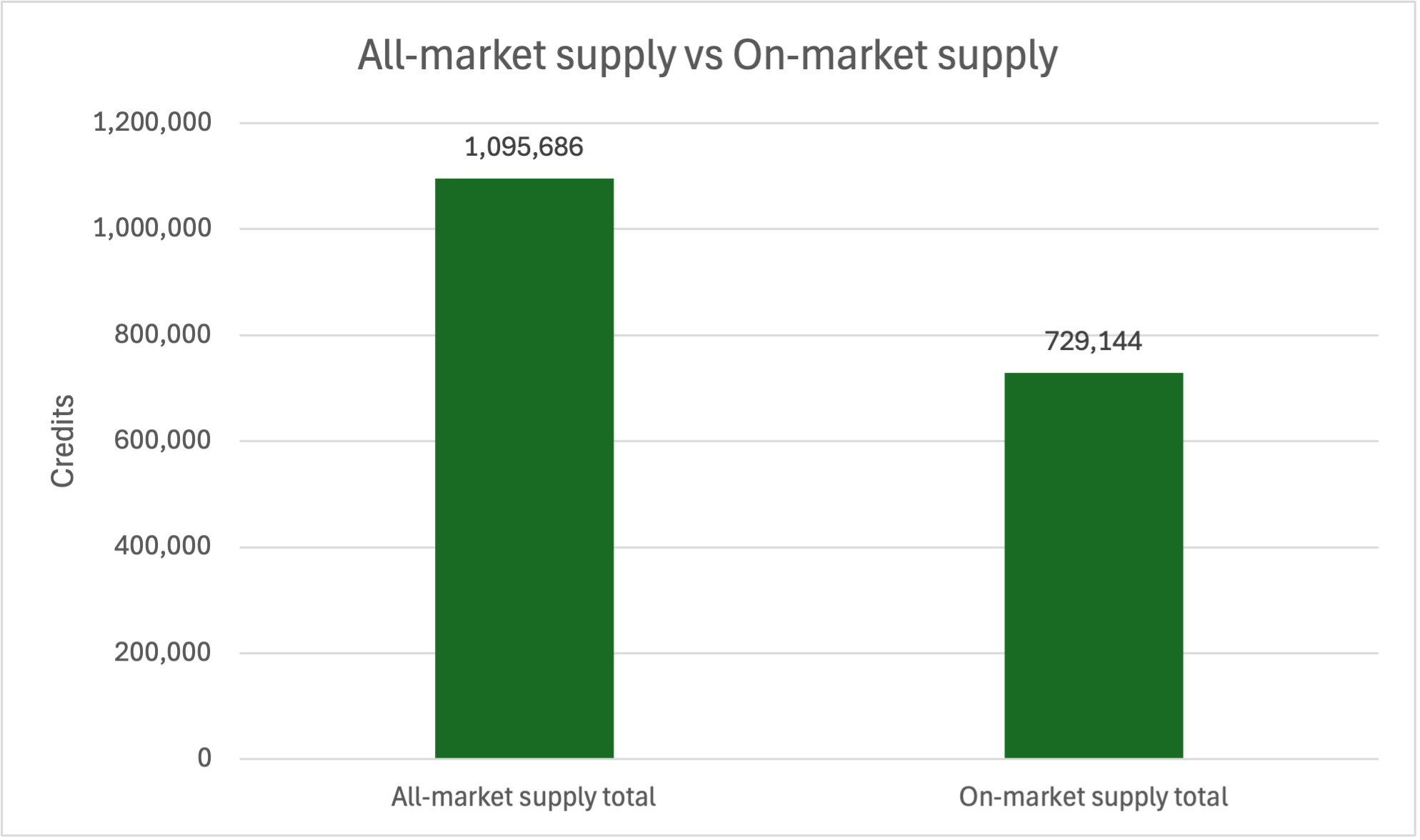
Figure 1: Species supply split between the total credit and the on-market credits
For 87 species markets the on-market figure is lower than the all-market figure, and for 23 of those the on-market figure falls all the way to zero. These 23 are markets that look well supplied on paper, but have none available in practice.
Supply is mostly empty
Only 147 markets have any supply, leaving 208 markets with zero available supply (Figure 2).
Of the 208 with zero on-market supply, 93 have a trading history.
Credits have changed hands in them before, but nothing is currently available.
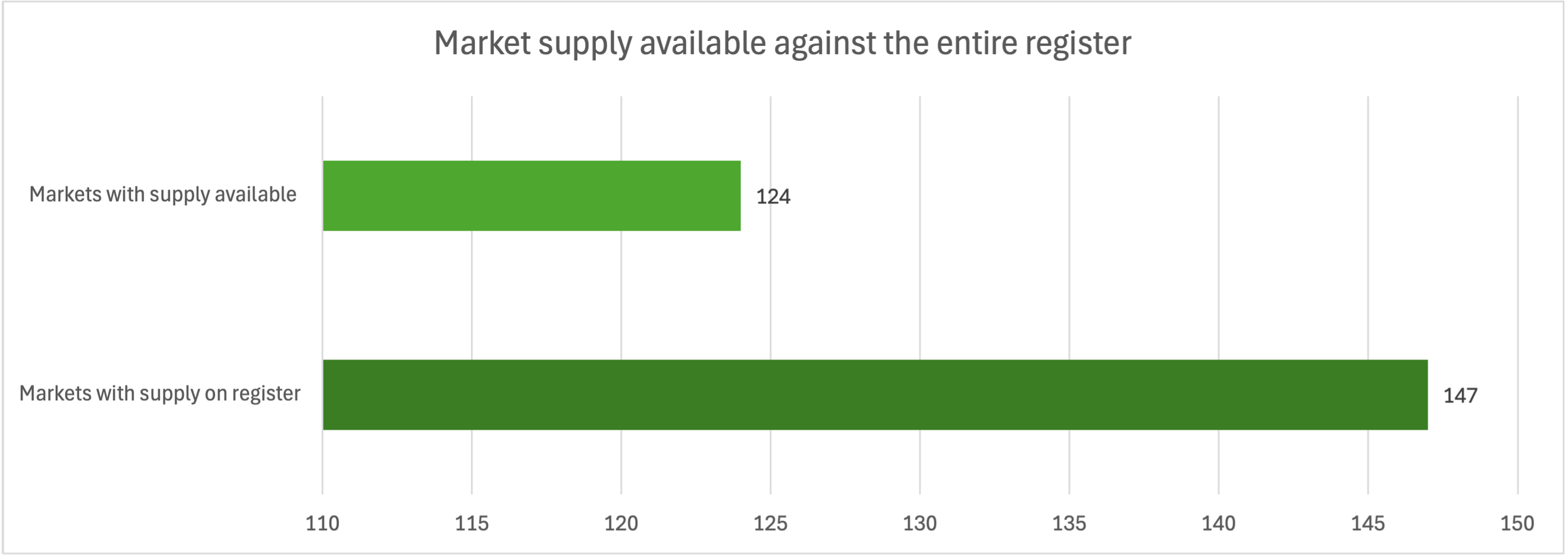
Figure 2: Species scheme market breakdown
Dormant markets
The remaining empty markets are a different case.
118 species markets have no on-market supply and no trading history at all. Nothing is available and nothing has ever traded.
These dormant markets matter for how you read the scheme. They are real species with real credit markets on paper, but there is no evidence of either supply or demand.
A large portion of the species scheme is, for now, dormant, reflecting endangered species for whom major infrastructure and urban development is not the pressure point in their conservation.
Its an important basic fact about this scheme, the system provides for credits to exist across the landscape but because only certain types of impact require offsets the demand is highly concentrated. Unless agriculture which has the widest landscape footprint and potential impacts is brought into the scheme, this will remain the case.
Limited balance in species markets
For the markets that do have on-market supply and a trade history, we can measure how many years the available supply would last at the current pace of trading.
We have grouped supply into four tiers (Figure 3).
Under-supplied: supply would clear in under two years, or a market with a trading history but no available supply.
Balanced: supply would clear in two to three years (roughly the time required for new credit generation).
Over-supplied: supply would take more than three years to clear.
Strongly over-supplied: at the current trade rate the supply would effectively never clear.
Two further groups sit outside the clearing measure: markets with on-market supply but no trades at all, and the dormant markets with neither supply nor trade.
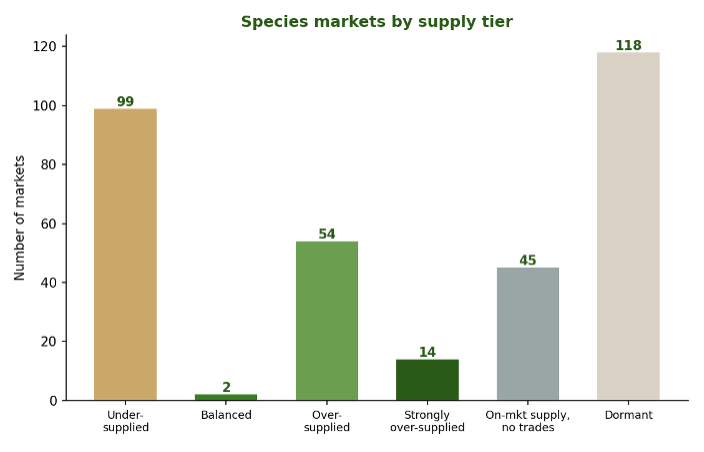
Figure 3: Species markets by supply tier
Across 332 species markets, 99 are under-supplied, 54 are over-supplied and 14 are strongly over-supplied. A further 45 have supply sitting on the register with no trading at all, and 118 are dormant.
Only two markets are balanced. The Small-flower Grevillea and the Dural Land Snail.
Out of more than 300 markets, two sit in the middle. Everything else is either short of supply, sitting on far more than the market is absorbing, or not trading at all.
What this means for the participants.
The shape of supply tells you which markets are working well and which aren’t.
In the over-supplied markets, the weight of supply should push prices down unless demand shifts. Holders will need to price sharply to sell, buyers should be able to push harder on price in negotiations.
The under-supplied markets will pull the other way, moving closer to the BCF payment unless new supply comes online.
These under-supplied markets that are the best prospects for landowners establishing new stewardship sites or adding new species credits to existing sites.
A market with proven demand and no supply is also positive signal to anyone who can generate those credits as the BCT will likely hold existing obligations and new demand may also come online.
The practical takeaway is that there are good opportunities for new speculative supply supply in specific markets, while in others discounting will be the only way to move credits quickly.
To learn more about your specific market get in touch with Speargrass.
